
Younger than 8
A gentle first look at how your child is learning
It can be hard to know how your child is really doing, but often parents have a ‘hunch’ that something isn’t quite right. Reading might be taking more time than expected to develop, phonics can feel challenging and spelling might not look right.
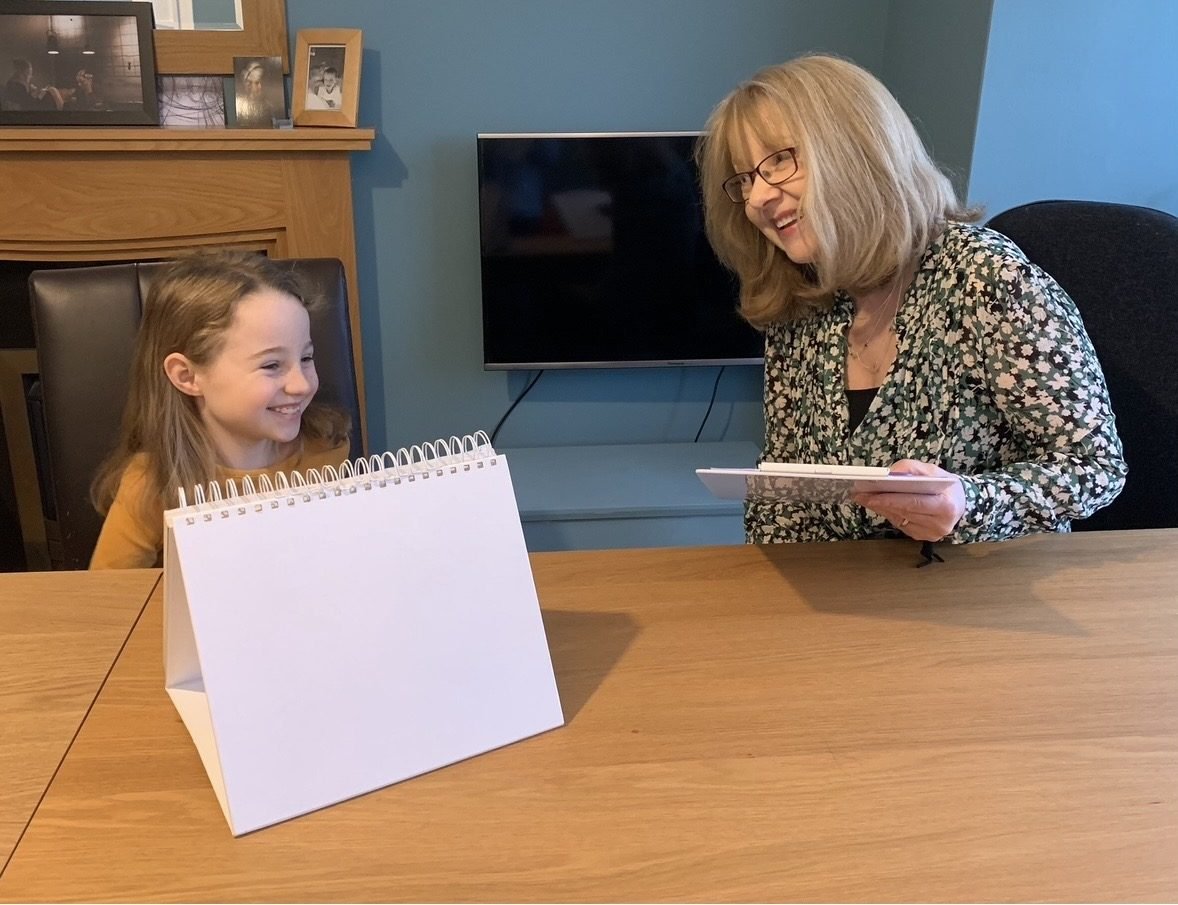
Younger than 8
The Literacy and Learning Profile
If your child is younger than 8, a full diagnostic assessment is not yet the right tool, but the Literacy and Learning Profile is. It is not a route to diagnosis, and it is not a quick screen. It is a thorough investigation, usually taking around 90 minutes, of how your child is learning and where the gaps are.
It looks closely at the building blocks of reading and writing: the sounds inside words, letter knowledge, memory and processing. You come away understanding what is going well and what needs support, and schools gain insight into how best to tailor teaching approaches and targeted interventions to meet your child’s individual learning profile. In addition, you take away practical strategies and ideas to support your child’s learning at home.
The right time
Why a full assessment waits until 8
Your hunch as a parent is often right, but there are good reasons why a full diagnostic assessment is not appropriate below 8:
- Schools need time to try out different classroom strategies and adjustments first.
- Children develop at very different rates at this age.
- A full assessment asks a child to sit and concentrate for a long stretch, which can be a lot for young children to manage comfortably.
- Some of the standardised test materials are not available for those younger than 8.
- The findings are simply more accurate from 8 onwards.
Waiting for a full diagnostic assessment does not mean waiting to act. This is exactly what the Literacy and Learning Profile is for: it lets us understand how your child is learning now, so the right support can begin early. That early start allows every stage of learning to count and keeps confidence steady, so any difference your child might begin to sense between themselves and their friends is gently supported before it has a chance to take root.
Start to finish
The process, step by step
A free 30-minute call
You choose a time for a 30-minute call so that you can tell me about your child and we can work out the best way forward.
We set a date, and I send some paperwork
We set a date for the session, and I send across some paperwork so that I can build a clear picture. If you prefer, we can do this over the phone.
I contact your child’s school
With your consent, I contact your child’s school so that I have a fuller understanding of how your child is managing in the school setting.
A gentle introduction, if it helps
If your child is nervous, I’m always happy to have a quick video call with them and you, or a doorstep visit before the day.
The fee
What the Profile includes
- The free 30-minute call before you book
- The Literacy and Learning Profile session
- Liaison with your child’s school
- The written profile report
- The 45-minute video call, line by line
£450
If you choose to go on to book a full assessment between the ages of 8 and 9, the fee for the full assessment may be adjusted to take account of the work already completed.
Payment in full secures your booking, and instalments can be agreed in advance. Full booking terms, including cancellation and rescheduling, come with the booking form.
The day itself
Calm, unhurried, built around your child
The assessment typically takes around 90 minutes, in one session, in a quiet, cosy room. We take breaks whenever they are needed.
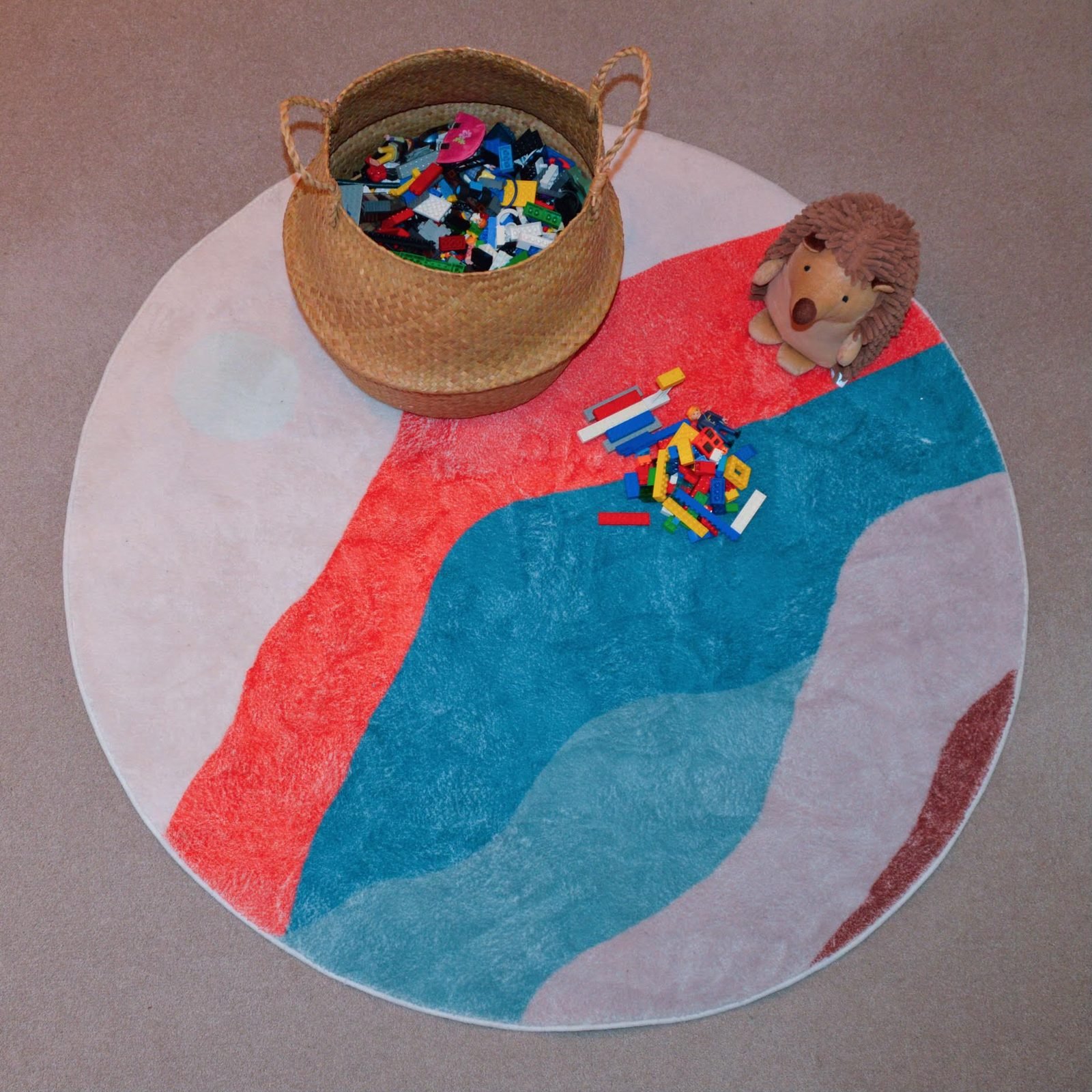
The welcome starts at the doorstep: you come in and settle your child, we make sure the snacks are ready, and then it’s a cheerful, ‘See you later’. Lego and drawing are on hand for the breaks, along with a comfy chair to flop into.
I have been a class teacher for under-8s, so I know it can be hard to sit still. Wriggling and needing to have a bit of a jump around are natural. I’m very used to working with children with sensory and attention challenges: there are no loud noises or surprises, and I take care to ensure that your child feels comfortable and confident.
What it is like
From your child’s point of view
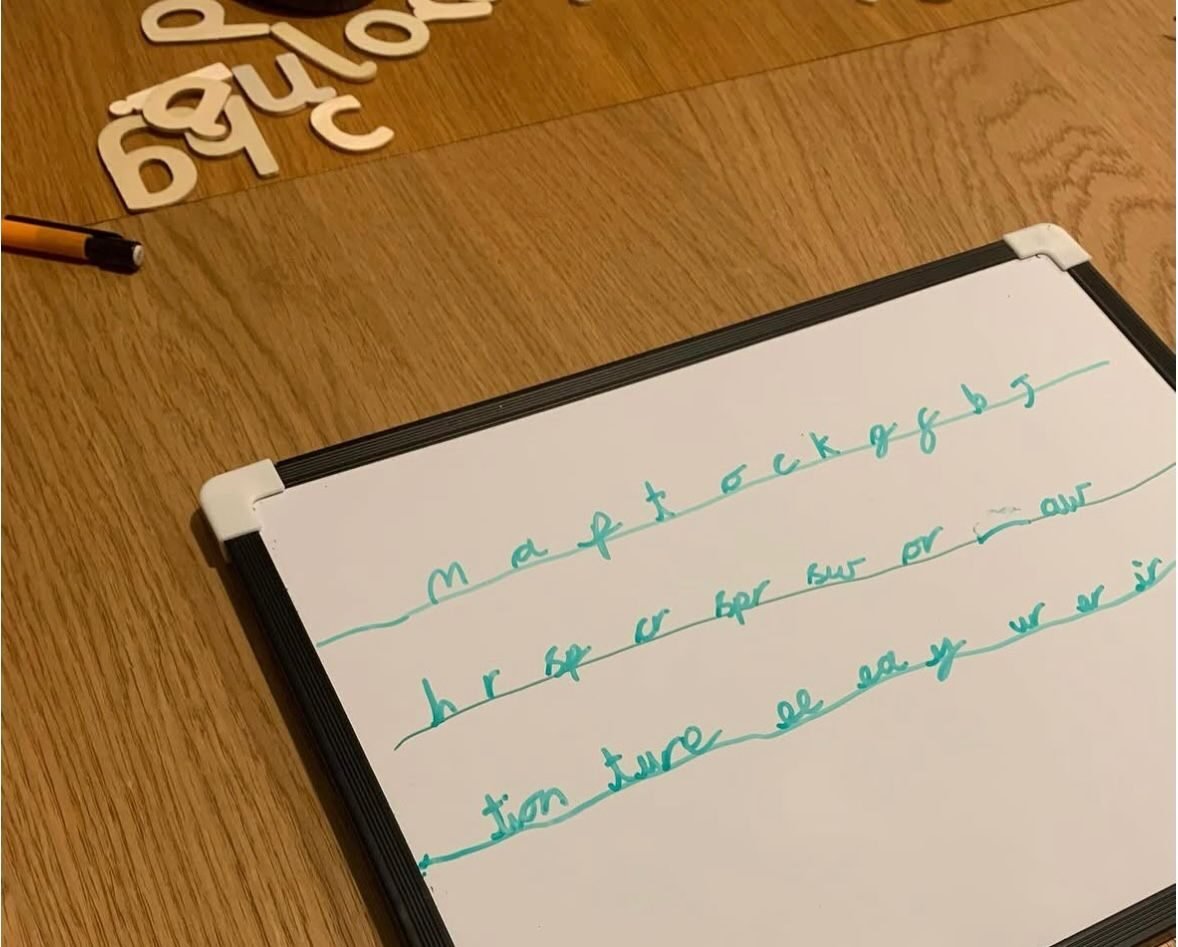
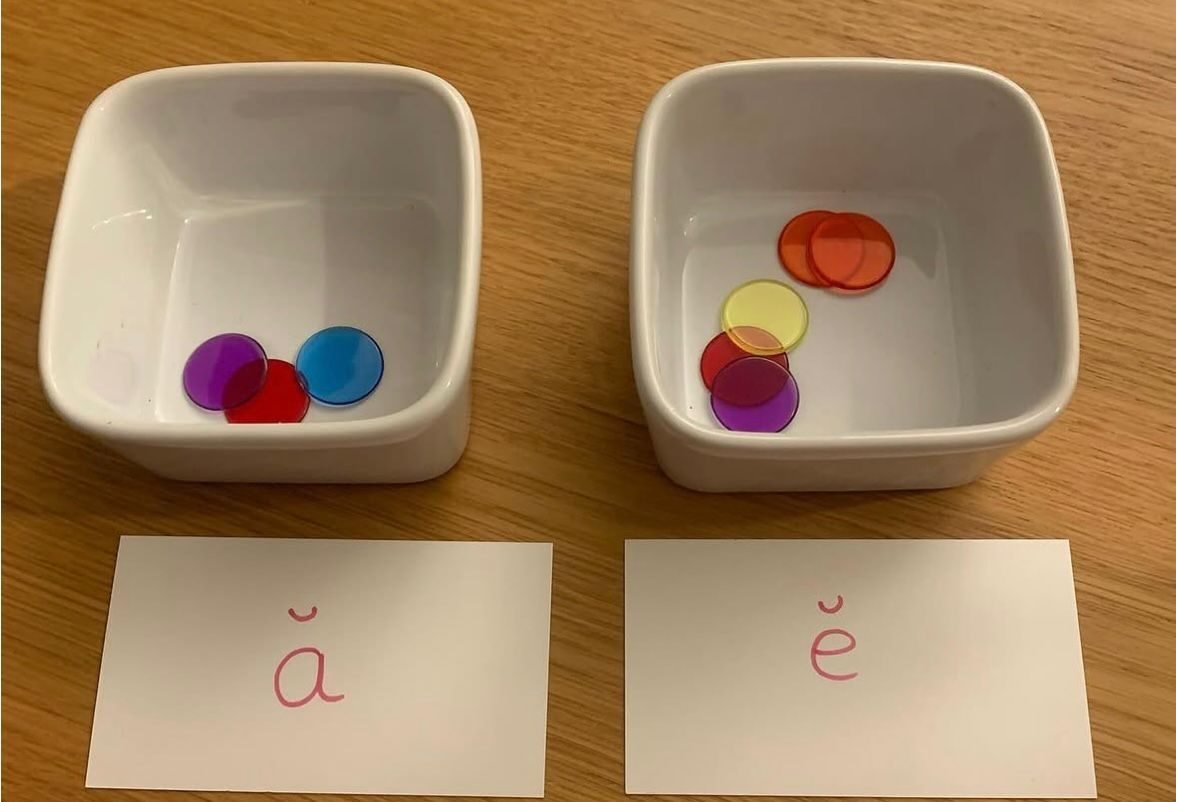
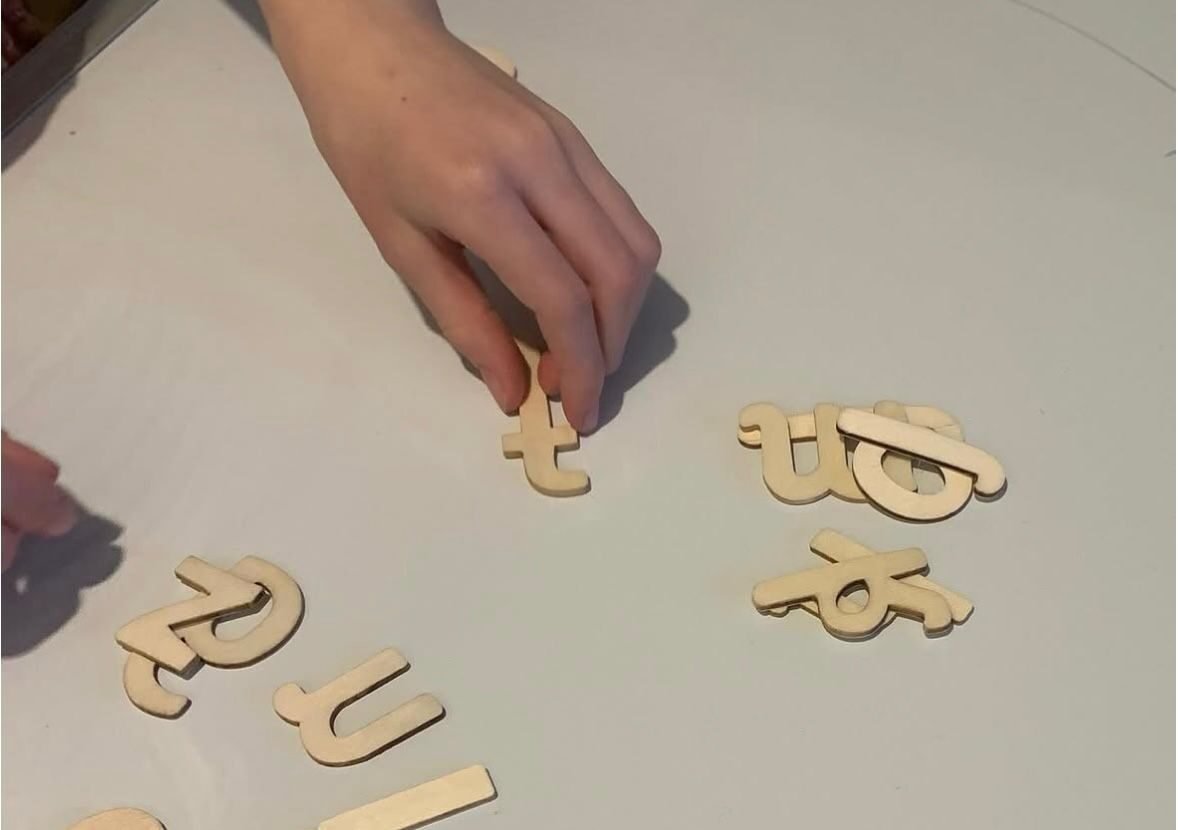
We start with a good chat. There are some listening games, some puzzles and some memory activities. We have a go at things, and if we get stuck, we do it together and just do our best. If writing has become scary and hard, we can use a whiteboard or even wooden letters to make words, and we help each other with a bit of reading.
While you wait
A comfortable place to wait
For parents who prefer to stay, there is a comfy lounge where you can connect to WiFi. If you prefer, I can call you about 30 minutes before we finish so that you can set off to collect.
Afterwards
We talk it through together
We have a 45-minute video call so that I can talk you through the report and what it means for your child. And I’m happy to answer any follow-up questions by email.
The report
A clear profile of how your child learns
Normally within two weeks, you receive a detailed profile of your child’s literacy and learning. If Maths is taking time to develop, I can look at that too.
Four areas, one clear picture
Language and Reasoning
How your child works with language and solves problems. This is the baseline the rest of the picture is read against.
Literacy
Reading, phonics, spelling and writing. Accuracy, fluency and understanding, from single words to whole pages.
Processing and Memory
Holding verbal information in mind and working with it.
Maths, if of interest
If Maths is an area of interest too, I can look at how your child’s understanding of number is developing.
Standardised test scores tell you exactly where your child sits in comparison to others of the same age, and these are combined with the background information and observation of how your child went about the tasks. This tells you how your child is progressing. It highlights areas of strength, as well as identifying any areas of underlying difficulty which might explain why things might not be developing as expected.
Inside the report
- Your child’s background and history
- How your child approached each task
- The four areas, with standardised scores
- What is going well, and where support helps
- Practical recommendations for home and school
Still not sure?
That is exactly what the free 30-minute call is for. Tell me a little about your child, and we will work out the right next step together, with no pressure either way.
Book a free 30-minute chat
We can start with a conversation
Tell me a little about your child, and we will find a time to talk. I answer every enquiry personally, usually within a day.
Or call or text 07912 147199, message on WhatsApp, or email info@dyslexia-assessment-surrey.co.uk.