
About me
Who you will be working with
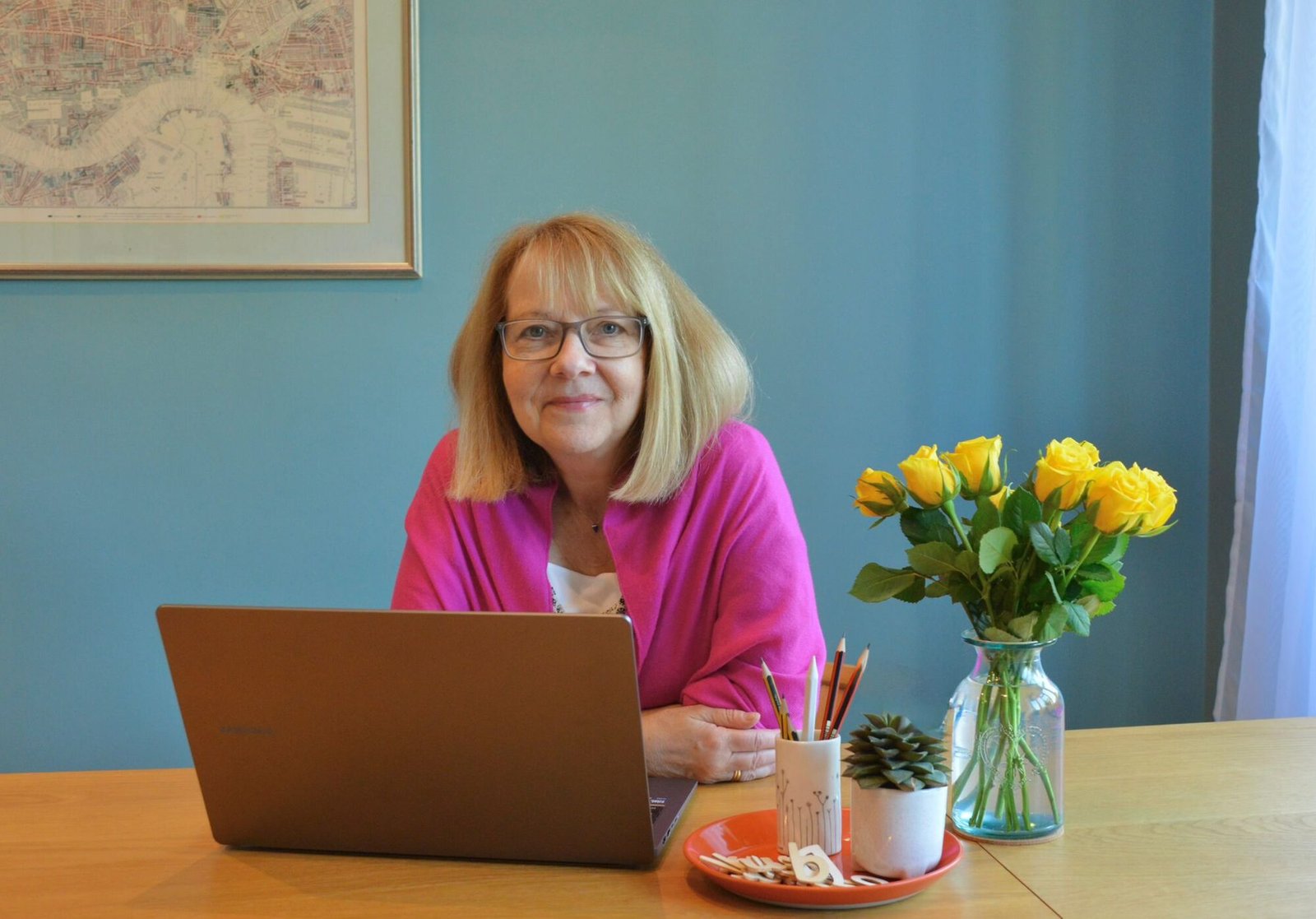
I am Christine, and I carry out every assessment myself, from the first phone call to the final page of the report: no part of the work is handed to someone else.
I trained as a teacher, and I still think of myself as one. That shapes how I work. I want the assessment to make sense to you, and the report to be something you can take to a school, and use at home. The rest of this page is the detail behind that, if it helps to know it.
Where I come from
From the classroom to specialist assessment
My background is teaching. I have worked across both state and independent schools, with many years of experience in how children actually learn, and in what gets in the way. In time I became a SENDCo, responsible for the children who required understanding and appropriate support so that they could be fully included within the classroom.
From there I trained as a specialist assessor, and I have held an Assessment Practising Certificate since 2016. The classroom has never left me. It is why my recommendations tend to be practical: things a teacher can do on a Monday morning, and things that help at home.
I have also taught on the Dyslexia Institute’s Post Graduate Certificate course, delivered remotely, training other teachers to become specialist assessors themselves.
A personal note
Why this work is personal
I am Mum to two young adults, and a proud member of a neurodivergent family.
So I do not only understand how learning differences show up on a test. Alongside my professional experience, I have lived with learning differences at home for many years, and that experience shapes the way I understand and support every child I work with.
Which kind of assessor
A specialist teacher assessor, or an educational psychologist?
There are two routes to a diagnostic assessment: a specialist teacher assessor, or an educational psychologist. Both have their place, and both use many of the same tests.
I am a specialist teacher assessor. I bring many years of classroom experience to the table, so my recommendations are practical and workable: things your child’s school can actually do, and things that help at home.
Credentials
The credentials behind every report
Accreditation
My accreditation is the Assessment Practising Certificate (APC), which I have held since 2016. My current certificate is with The Dyslexia Guild, reference 0525/274, and runs to September 2028. The APC is a rigorous professional accreditation, renewed every three years on evidence of ongoing professional development.
Qualifications
- BEd (qualified teacher)
- PGDip (SpLD), 1999, The Dyslexia Institute
- CertTESOL
Memberships
I am a Professional Member of PATOSS, a Member of the Dyslexia Guild, and a Member of PraxisPro. These memberships keep me connected to other assessors, and to current practice.


Continuing professional development
Alongside dyslexia, my ongoing training covers autism, ADHD, DCD (dyspraxia) and Maths difficulties. This is continuing development, not a separate qualification in each, and it is what helps me recognise the needs that often travel alongside dyslexia.
Standards
The standards I work to
Every report I write follows the current guidelines of the SpLD Assessment Standards Committee (SASC). That is the framework schools, workplaces and universities recognise.
I assess against the Delphi definition of dyslexia (Carroll et al., 2025), the current consensus definition agreed by a wide panel of researchers and practitioners.
And I work to the standard my APC sets: evidence-based, current, and regularly reviewed. These are not badges on a wall. They are what makes the report something you can rely on, wherever you need to use it.
Trust and safeguarding
Safe hands, on and off the page
I hold an enhanced DBS check.
I am registered with the ICO as a data handler.
I work to a clear safeguarding statement, and my safeguarding training is renewed every year.
Your information is handled under a UK GDPR privacy notice. Read the privacy notice.
I am first aid trained, with experience of anaphylaxis and EpiPen use.
The first step is a conversation
However you have arrived here, you are welcome to start with a conversation. Tell me a little about your child, or about yourself, and we will take it from there.
Book a free 30-minute chat
Come and say hello
Tell me a little about your child or yourself, and we will find a time to talk. I answer every enquiry personally, usually within a day.
Or call or text 07912 147199, message on WhatsApp, or email info@dyslexia-assessment-surrey.co.uk.